Lawn Mowing in Muswell Hill

Keeping a lawn neat takes more than a quick pass with a mower. Our lawn mowing in Muswell Hill service focuses on producing a clean, even finish, sensible cutting height and a tidy edge so the grass looks cared for without being stressed. We work with regular domestic lawns, shared garden spaces and small front gardens that need reliable upkeep rather than one-off attention only when growth gets out of hand.
Alongside mowing, we can include the practical finishing work that makes the result look complete. That may mean strimming around borders, trimming the edges along paths and fences, and clearing the cuttings where a neat lawn surface is preferred. Where grass conditions or weather make a different approach sensible, we can discuss the best pattern, cutting frequency and finish for the area. If you are planning a regular schedule or a single tidy-up, request a quotation when you are ready.
Our aim is straightforward: to help you keep the grass under control in a way that suits the garden’s layout and your preferred level of maintenance. Some customers want a short, crisp finish through the growing season, while others need a lighter cut that respects a more established lawn. Either way, the work is planned around the lawn itself rather than treated as a generic task, so the result is practical as well as presentable.
Regular mowing and seasonal care
Regular mowing is usually the best way to keep a lawn consistent in appearance and manageable through the year. Cutting too much at once can leave the grass looking uneven or exposed, so our approach is to work in a way that maintains shape and colour while avoiding unnecessary stress. For many gardens, the key decision is not simply how often to cut, but how to match the cut height to the season, the grass type and the amount of growth taking place.
In practice, that means we can plan mowing to support a tidy surface rather than chasing fast regrowth with heavy cuts. Seasonal changes matter: spring growth often calls for more frequent attention, while summer conditions may require a slightly different pace to avoid overcutting. During wetter periods, access and ground conditions can also affect how the work is carried out. If you need a dependable routine, contact us to discuss the mowing pattern that fits your lawn.
What is included in a tidy lawn finish

A good mowing visit is usually about the finish as much as the cut. Grass that has been mown but not edged can still look untidy, especially around borders, paving and planting beds. For that reason, we often treat the mowing as part of a broader neatening process, with attention to the lines where the lawn meets other surfaces. That helps the garden look intentional rather than simply shortened.
Depending on the space and the agreed scope, a tidy finish may include edging, light trimming where the mower cannot reach, and collection of clippings. It can also involve adjusting the method to suit awkward corners, narrow side runs or sections that sit beneath low branches. Where the lawn is part of a larger maintenance plan, the result is easier to keep under control next time because the edges and transitions are already orderly.
Useful elements of a typical mowing visit can include:
- even mowing across the main lawn area
- careful trimming around fixed features
- clean edges along paths, beds and borders
- collection or management of clippings where requested
- attention to awkward sections and narrow access points
Garden maintenance alongside mowing
Many lawns look their best when mowing is paired with other light maintenance tasks that support the overall appearance of the garden. If grass is trimmed neatly but surrounding growth is left to spill into the edges, the result can still feel unfinished. That is why garden maintenance matters as a companion to lawn care: it keeps the setting around the lawn manageable so the cut itself stands out properly.
For some properties, that means combining mowing with trimming around the perimeter, tidying the transition into beds and reducing the way surrounding growth encroaches on the usable lawn area. For others, the best approach is more selective, with only the most visible areas brought into line. The important point is that the lawn is treated as part of the whole garden, not in isolation from the planting, paving and access routes around it.
Edges, access and awkward shapes

Not every lawn is an open rectangle with clear access all around it. Many gardens have tight side passages, curved borders, steps, shed bases, beds or boundary features that interrupt a straightforward pass. Those details affect how mowing is carried out, because the work has to be completed cleanly without leaving thin strips of missed grass or rough patches where the machine could not safely reach.
We pay particular attention to the parts of the lawn that are easy to overlook: the strips beside fencing, the grass around posts and the corners that need a more careful approach. When a lawn has uneven edges or a complicated outline, the finishing method matters as much as the main cut. If you are comparing options for a maintained garden, ask about a service that includes these smaller but visible details, not just the central area.
Where mowing is planned as a recurring service, consistency is especially valuable. A lawn that is cut in the same careful way each time tends to stay more uniform and easier to manage. That can reduce the need for drastic correction later and keeps the garden looking orderly between visits, which is often the main reason people choose regular lawn mowing over ad hoc cutting.
Single cuts and recurring visits
Some customers only need a one-off mow to bring an overgrown lawn back to a presentable state before visitors arrive or before other garden work begins. Others want a recurring service that keeps the grass at a manageable length through the growing season. Both approaches are valid, but they suit different situations. A single cut often focuses on getting the lawn back to a neat baseline, while recurring visits aim to preserve that standard with less disruption each time.
When deciding between those options, it helps to think about how the garden is used and how quickly the grass grows. A lawn that forms part of an active family garden may need more frequent attention than one that is used less often. A larger or more open lawn may also show irregular growth sooner, simply because there is more visible surface area. If you are unsure which pattern makes most sense, ask for a quotation and include the level of upkeep you have in mind.
About Muswell Hill
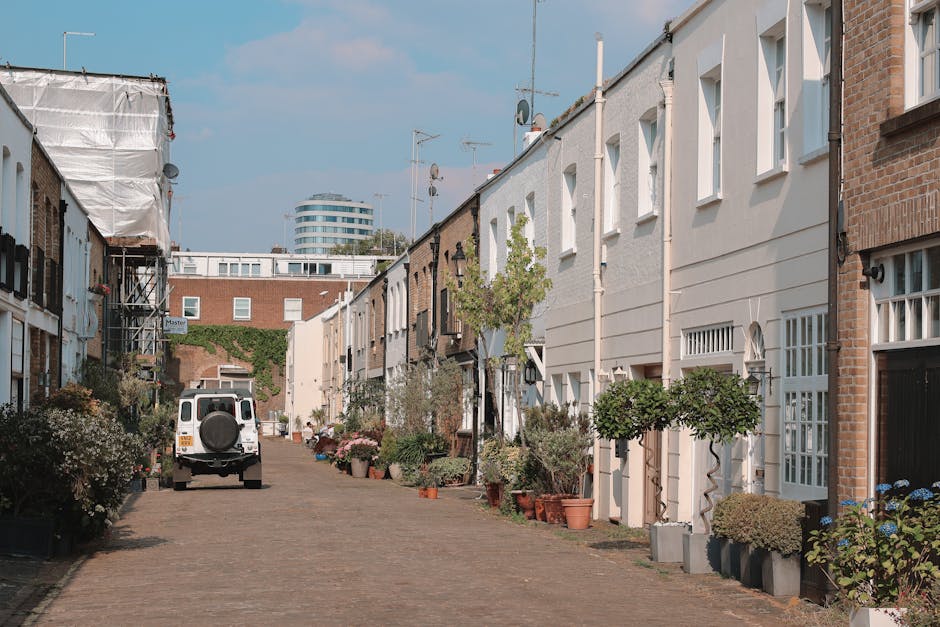
Muswell Hill is a north London district known for its hilltop position and wide views across the city. It sits within the London Borough of Haringey and is closely associated with the historic Muswell Hill Broadway, the area’s main commercial spine, where shops, cafés and local services line a busy stretch that has long formed the focus of everyday life. The district takes its name from a medieval spring, the “Mossy Wellâ€, which was linked in legend to healing waters and gave the area an early identity that still survives in place names and local memory. Much of Muswell Hill developed in the late nineteenth and early twentieth centuries, when suburban expansion brought rows of substantial housing that gave the district its distinctive residential character. Many streets feature Edwardian terraces, semi-detached houses and apartment blocks, and the area has a strong sense of architectural consistency compared with some neighbouring parts of London. Alexandra Palace lies close by and remains one of the best-known landmarks associated with Muswell Hill, while nearby Alexandra Park offers open green space and long views over the city. The district is also known for its conservation areas, which help preserve the look of the streetscape and reflect the area’s established suburban history. Local life combines that residential calm with easy access to parks, schools and cultural venues, giving Muswell Hill a character that feels both settled and well connected.
Keeping lawns manageable in built-up gardens
Built-up residential gardens often need a mowing service that works around limited storage, narrow side access and mixed surfaces rather than a large open plot. In those settings, careful handling matters because the lawn may sit close to patios, paths, planting or boundary features that need to stay cleanly defined. A sensible mowing plan takes account of those constraints so the grass is cut without making unnecessary mess or leaving the surface uneven at the edges.
It can also help to think about how the lawn fits into the wider garden routine. A tidy lawn often looks best when nearby growth is not spilling across its borders and when the cut is repeated before the grass becomes too long. That means mowing is not just about appearance on the day; it is also about making future upkeep easier. When the lawn remains within a manageable height band, the work is generally more straightforward and the finish more even.
Preparing for a mowing visit
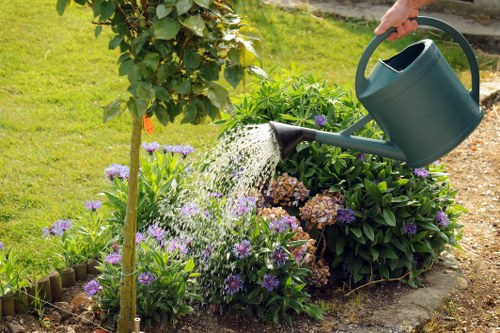
There are a few simple things that can make a mowing visit more straightforward without turning the process into a chore. Clear access to the main lawn, moving fragile ornaments out of the way and making sure gates or side passages can be used safely are often enough. If the lawn contains toys, hoses or loose items, shifting them beforehand helps the cutting be more efficient and reduces the risk of missed patches around obstacles.
When requesting a quotation, it is helpful to mention anything that affects the work itself: the size of the lawn, whether the grass is regularly cut or currently overgrown, whether there are narrow areas to reach, and whether clippings should be removed or left. A clear description of the setting makes it easier to suggest the right approach without overcomplicating the process. If the garden has specific access considerations, include those as well so the service can be planned properly.
Pricing, scope and practical choices
The cost of lawn mowing usually depends on a combination of factors rather than a single measure. Size, layout, grass condition, access and any extra finishing work can all affect how much time and effort the job requires. A compact, straightforward lawn is different from a larger or more detailed garden with edges, corners and awkward passages. Being clear about the scope from the start helps keep expectations realistic and makes the quotation more useful.
It can also be worth deciding what you want the service to prioritise. Some customers prefer a simple mow only, while others want edging and light tidying included so the lawn looks properly finished. There is no single correct option; the best choice depends on how the garden is used and how polished you want it to appear. If you want to compare service levels, a clear quotation is the most practical place to start. Review pricing and quotes if you would like to see how the work is approached.
Other garden work that can sit around lawn care

Although lawn mowing is the main focus here, many gardens benefit from related work that sits around it rather than replacing it. If a lawn is the centre of the space, nearby features such as hedges, overhanging branches or larger planting can influence how well the grass can be maintained. Keeping those elements under control can make mowing easier and improve the overall appearance of the garden as a whole.
Where additional garden work is needed, it is usually best handled as a separate part of the plan rather than bundled into the mowing description without discussion. That may involve trimming growth that overhangs the lawn, tidying sections that interfere with access or considering whether the garden would benefit from a broader maintenance approach. For an overview of the wider services available, see our services overview, or if your garden needs fuller attention, explore garden maintenance and hedge trimming for related support.
If the lawn itself is the part that needs attention now, the next step is simple: contact us for a quotation. We can help you choose a suitable mowing arrangement for your garden, whether you need a one-off tidy-up or a regular routine that keeps the grass looking controlled.